• Iodine has a great effect on bodily and mental growth.
• A person needs between 0.15 and 0.30 milligrams of iodine daily.
• The need for iodine increases in adolescents and expectant mothers.
• Among the most important sources of iodine are foods taken from the seas, such as fish and marine plants.
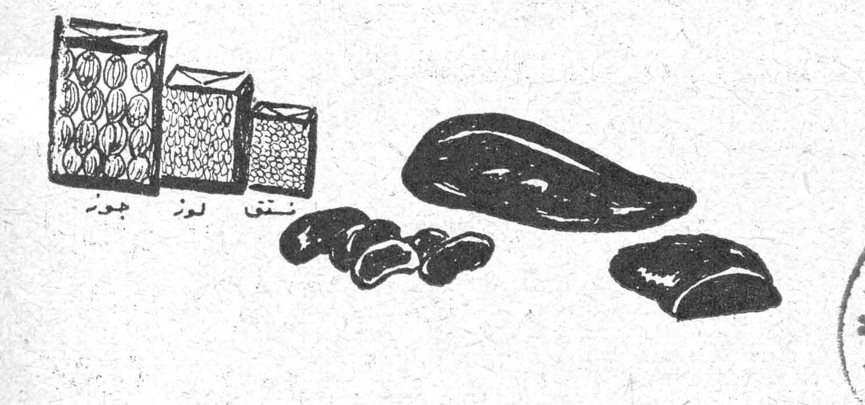
• The richest sources of copper are liver, kidney, and spleen.
• A lack of copper in foods causes anemia.
• Sodium and potassium help to balance the blood and to regulate the exchange of water within the body.
• They are both found abundantly in nature.
• Their most important sources are vegetables and meats — and table salt.
Iodine
Iodine is an important element in the makeup of the thyroid gland, which secretes a hormone called thyroxine that has a great effect on bodily and mental growth and development and on the preservation of health throughout life. Taking a sufficient amount of iodine meets the daily need required for protection against chills and colds. A certain amount of it must be stored in the body to support the function of the thyroid gland.
What an adult needs daily is 0.15 to 0.30 milligrams, and the amount increases in adolescents and expectant mothers. Taking large doses of it, however, irritates the skin and causes eczema.
The richness of foods in iodine depends on the amount of it present in the soil. The inhabitants of regions far from the seas are exposed to the disease of goiter, while those who live near the seas enjoy abundant quantities of iodine.
Among its most important sources are foods taken from the seas, such as fish and marine plants. Nowadays iodine is sometimes added to fertilizers and to the feed of dairy animals, which increases the quantity of iodine present in foods. We have said that a lack of iodine causes goiter, which is a swelling in the neck resulting from an enlargement of the thyroid gland. Among the symptoms of this disease are great susceptibility to colds, weakness of the muscles, and a general change in the person's appearance. A lack of it may lead to the arrest of growth and height in children. This disease causes a disturbance in mental development, in sexual maturation, and in the formation of personality. It likewise affects adolescence and pregnancy. It is treated by taking iodine either in food or in iodine salts.
Copper
The task of copper in the body is connected with the task of iron. This element has an important role in making use of iron and converting it into hemoglobin, just as it is an effective instrument in the oxidation of ascorbic acid, and it is presumed that it plays the part of intermediary in the formation of the blood. It is distributed sufficiently in food to meet the daily need.
The richest sources of copper are liver, kidney, and spleen, because it is stored in them. Among its good sources are nuts in general, such as walnuts, almonds, pistachios, etc., as well as dibs, wheat germ and wheat bran, and chickpeas. It is also found in some fresh fruits and vegetables.
A lack of it causes anemia even despite an abundance of iron. It has been observed that a lack of it turns the black hair of rats gray. But we do not know whether this also happens to human beings.
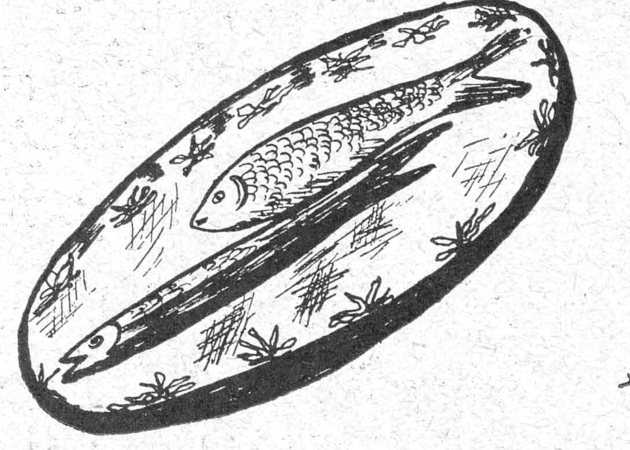

Food rich in iodine
Food rich in copper