cannot take flight.
I always knew her as the soldier ever ready. Never did
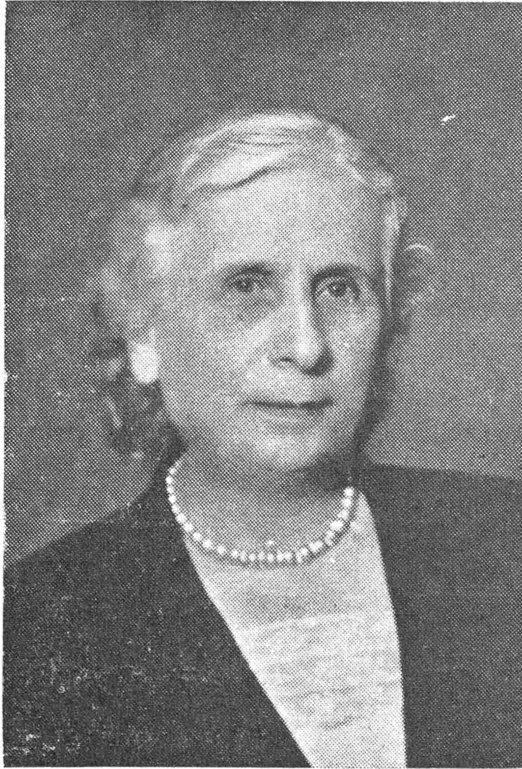
I come to her with a request or a proposal but she hastened to answer my request with faithfulness, devotion, and ardor. And with what deliberation, maturity, and largeness of heart she handled matters! In stormy meetings, where debate rages hot, Salwa never once raised her voice, nor lost her nerve as most of us do; she remained that "perfect lady," composed of spirit, sacrificing her health, her rest, and her time for the cause of woman and the public good.
The loss the Lebanese Women's League has suffered in Salwa is a loss beyond repair; she has left in my heart, and in the heart of every member without exception, a void... and a lump in the throat.
* * *
The word of the champion of woman, Ustad George Baz:
I learned of the literary gift of the two Mahmasani sisters together, at one and the same time. It was, I think, when I compiled the book "The Breezes" for our woman of letters Salma Sayegh, when I brought out my book "A Laurel Wreath" for the head of woman. I believe I presented her with a copy of it; I had been reading some of their writings in the press,
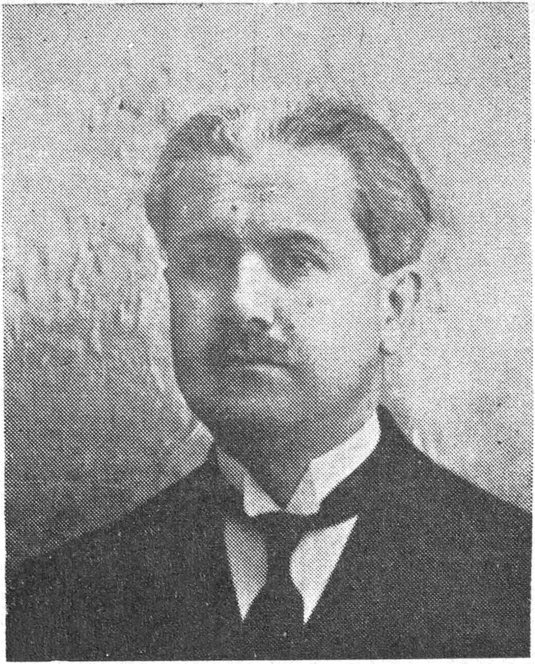
and hearing of their letters from some of our women writers.
They both wrote to me in thanks, in a manner that gave proof of the Mahmasani women's literary gift.
So I came to respect the signatures of Widad and Salwa — a letter of literature that held a place in my heart.
From that time it pleased me to follow eagerly what the two budding women of letters penned.
Then Widad became absorbed in her family, while Salwa went on with her journalistic composition, her addresses at celebrations, and her radio talks.
Even after she had worn herself out in her Aziziyya school, and her health had begun its decline — not yet fully clear to her — I would see her saturate her subjects with study and research, and fill out what was weak in them with deduction.
Long of breath, ample of thought, clear of expression; her concern was the good of man and the general benefit.
How often I profited from her — as I do from her like among our Lebanese and Arab women of letters. And no wonder that one as helpless as I should profit from the letters of a daughter of
a house distinguished by its
four sons and five daughters:
Two judges. A physician. A pharmacist. Five schoolmistresses. A doctor of law, professor in the universities. The president of the Pharmacists' Syndicate. Directresses of five institutes of learning.
I can only bow in reverence before the noble mother, one of the pioneers among our educated women of the nineteenth century.
The hand stretched out before me did not stir feelings of gentleness and compassion... Its owner was a young girl, health laughing upon her face; and but for her shabby clothes, her plump body would have looked the match of any lady pillowed on ease... And when I passed her by, I heard her whisper boldly:
"Daughter of a dog"...
The response was a smile, and then a questioning thought: is it not natural that resentment should boil up in her breast as she glimpses the difference between her appearance and the appearance of someone who works and lives respected?..
By her behavior she casts out the treasures that idleness and emptiness have heaped up in her breast. And her behavior is a picture of the deprived one's resentment against whoever enjoys the things she craves... Her whisper is one of the spurts of blood that such breasts throw up.