in the Era of Independence
* The emancipation of woman in North Africa is a step toward a better civilization
* Habib Bourguiba is a social reformer of the modern type
* The Personal Status Code forbids polygamy
The independence of 1956: Until
only yesterday we cheered for Tunisia, as we cheered for Morocco and Algeria, as sister Arab countries bound to us by the firmest ties of nationhood, language, and history, without knowing much about the pattern of life the Tunisians lived — only that they were under the French Mandate and deeply marked by French civilization and culture. Then came March 1956, and Tunisia won its independence under the leadership of Habib Bourguiba. The man destined to be President of its Republic marched forward with his people and achieved for his country, in a brief span, a renaissance of distinction, and Tunisia now keeps pace with the most advanced countries.
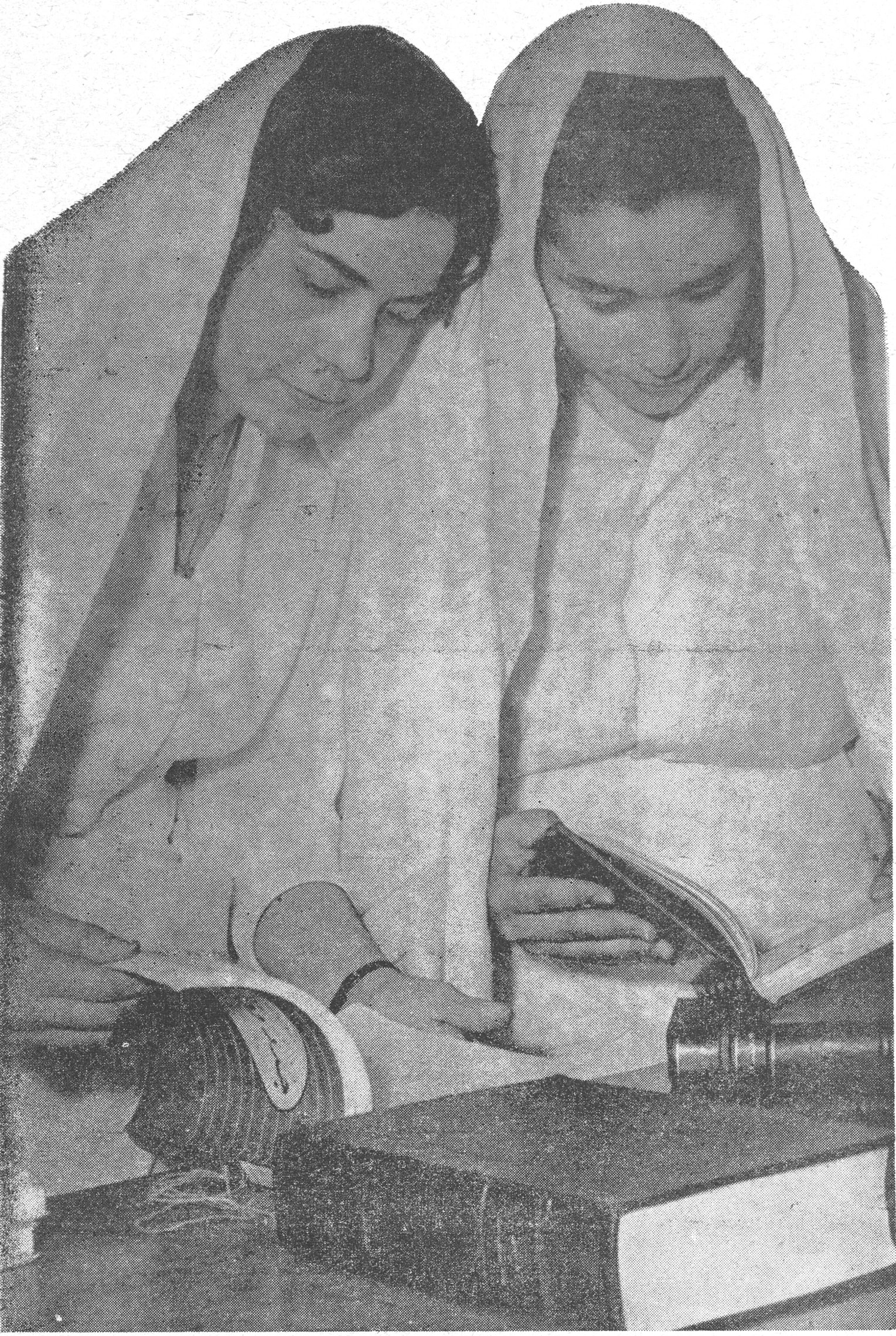
The Tunisian woman gains her political rights: Those who gained most from Tunisia's independence were its women. The government understood the rights of woman, who had proved, during the events that preceded independence, a political maturity for which she deserved to be granted her political rights; and today she is, moreover, a member of the Municipal Council.
The new generation of women competes for scholastic prizes and masters the art of raising children.