
An Introduction to the Study of Criticism in Arabic Literature: a collection of lectures delivered, at the invitation of the Faculty of Rational and Traditional Sciences at the University of Tehran, by the Lebanese scholar Mr. Anis al-Maqdisi. The book carries a preface by Mr. Muhammad Muhammadi, professor of Arabic literature at the University of Tehran, who noted the favor these lectures found among men of letters, researchers and students of Arabic — a confirmation of the good literary relations between Iran and the Arab countries, Lebanon above all.
We congratulate our great teacher al-Maqdisi on these precious critical lectures, which may be counted the cream of his long experience as a professor of this very subject, and we thank the University of Tehran for its care in printing the lectures, so that they may come within reach of the critics and students of letters who missed hearing them for themselves, and whose circumstances did not permit them to sit at the feet of the doyen of our professors and critics, Mr. al-Maqdisi — may God grant him long life.
A Mother's Heroism: a true story lately published in the translation of Mrs. Sophie Arqash Matni. The story is drawn from the very heart of life, and symbolizes the triumph of true ideal values in mankind
over the elements of evil and corruption... It is the story of a mother's struggle and her self-denial in sacrifice and striving for her child and her beloved.
It is worth mentioning that Mrs. Matni has a past in story-writing, especially stories for children; marriage and its responsibilities occupied her for a time, and here she is today returning to her old covenant with the pen. We wish her success and good fortune.
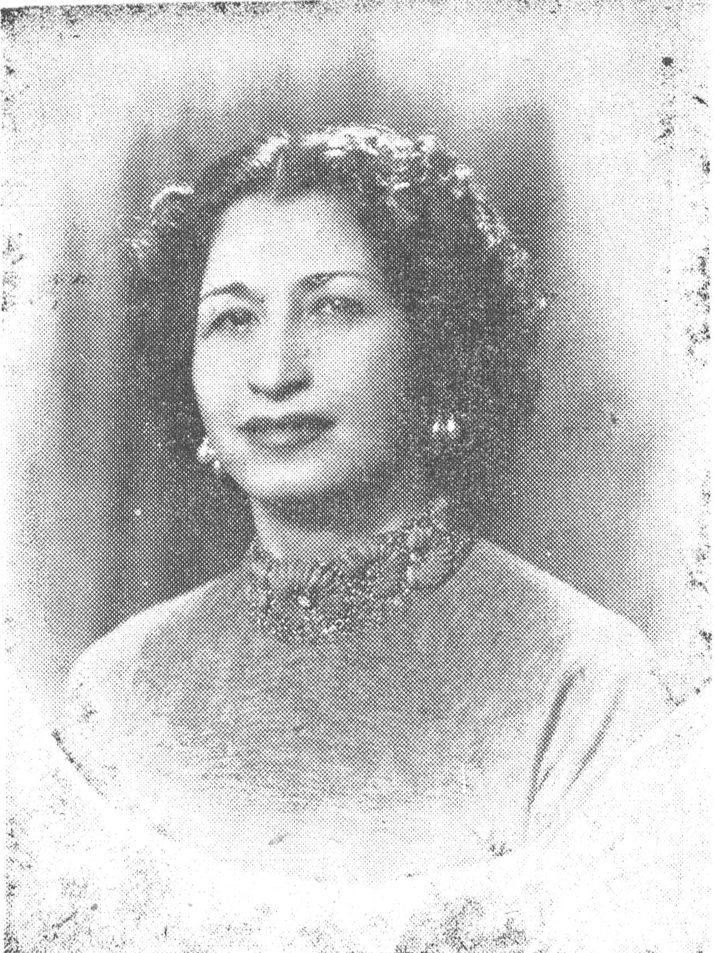
The lawyer Sabiha al-Shaykh Dawud
"The Beginning of the Road to the Women's Renaissance in Iraq" has appeared in Baghdad, by the lawyer Sabiha al-Shaykh Dawud, member of the juvenile court. It is a delightful account of the unfolding of the women's renaissance in Iraq and its progress step by step until it reached its present stage of advancement and refinement. The book's value lies in the fact that its author holds precedence in entering the Faculty of Law: she is the first woman lawyer to graduate in Iraq, and hence her account of the vanguard of the women's renaissance is the account of an expert, well informed, who accompanied the movement and played her part in it admirably.
We accompany Miss Sabiha al-Shaykh Dawud through the stages of the women's renaissance, which began in Iraq in 1923 with
the founding of the "Women's Renaissance Club," and then with the girls' turning to education with momentum and eagerness, despite strong opposition from the reactionaries. She has in this field tales and anecdotes of great charm... The author goes on to describe how woman tore away the veil, how she made for the colleges and graduated as physician, lawyer, teacher, pharmacist and engineer, until the number of women university graduates passed a thousand and more... She recalls, with much appreciation and acknowledgment of the debt, the merit of the late King Faisal in loosing this learned renaissance from its tether, and his support of it in substance and in spirit.
She arrives at last at the present era and enumerates the women's associations gathered under the banner of the "Iraqi Women's Union," under
the presidency of Mrs. Asia Wahbi, and what the Union has done to raise woman's standing, to demand her rights, and to protect childhood. She closes the book with a supplement on the declaration issued on the sixth of last May by the Prime Minister of Iraq, introducing new principles into the Iraqi constitution required by Iraq's political and social development — among them the granting to the Iraqi woman of political rights, according to particular bases and qualifications suited to the country's social and cultural condition.
"The Beginning of the Road" by Sabiha al-Shaykh Dawud is a living, faithful record of the renaissance of woman in Iraq — over thirty-five years, from nothing to a most distinguished station — and it is, accordingly, an important and necessary link in our Arabic letters.