


I should like to make clear that wholesale selling prices have not risen
much. The one who gains is the retail vegetable seller.
Mrs. Karanful: I believe the crisis will affect the life of every person.
Mr. Khallat: Let us first define the groups that have been harmed by the crisis. We must divide the country into two parts: the first — that which not all people are allowed to enter, and there movement has stopped completely; and the second — the quiet part — and most of the places here are agricultural districts.
Mrs. Rihan: So there is a single group of the population that has been affected by these disturbances.
Mr. Khallat: Yes — the group of those with large businesses. The class of the rich...
Eyes turned toward Mrs. Abou al-Jbein, who explained with a smile:
— Please do not look at me when you speak of the rich — the Palestine war did not leave a single family among us rich. And I hope the Lebanese question will be settled in peace, to save every individual in this bountiful, beautiful country.
She laughed, and those present laughed with her, repeating a silent prayer for the salvation of Lebanon. Then Mrs. Karanful said:
— If we want to name those who have suffered, they are the owners of: cinemas — restaurants — cafés — hotels — the port traffic — and the airport...
Ellen Rihan, in a faint tone: This morning I saw the steamers crowding thickly together, waiting inside the harbor and out in the waters far from the shore, and the sight saddened me.
And the gloom returned, sorrowful this time, settling on the lips of the discussants. The photographer's hand stopped moving. The scent of coffee filled the air of the salon, and a sweet young girl appeared, bringing movement back to the
lips. Then another young girl appeared: two fragrant flowers in the house of Mrs. Karanful.
Mrs. Rihan proposed that those present move on to examining the means by which the woman in the home could forestall the danger arising from the crisis on the economic side.
Mrs. Karanful: Woman must economize in buying clothes and shoes and in servants.
Mrs. Abou al-Jbein: After our exodus from Palestine my son's shoe grew too tight for his foot; I did not buy him a new shoe but contented myself with cutting off the toe of the shoe.
Mrs. Najjar: The Lebanese woman is known to be extravagant.
Mrs. Rihan: The rich woman in Lebanon, and in any other country, is the extravagant one; the woman of moderate means is more economical.
Mr. Khallat: When a woman decides not to shop in the market, she thereby contributes, without meaning to, to a financial deficit that strikes the shops — not to say bankruptcies. And if she does not employ a woman to help her in the housework, she may deprive a second family of its daily bread.
Mrs. Rihan: If we take the question of food, can we provide the family the same nourishment for a smaller sum?
Mrs. Karanful added: You have forgotten to mention that the salaried employee too has suffered a shortfall in these circumstances. The household into which no more than 250 or 300 liras enter each month must today buy, for example: a kilo of tomatoes at 75 piasters, string beans at 125 piasters, apricots at 100 piasters, bananas at 75 piasters, and an uqiyya of meat at 150 piasters... The important thing, as Mrs. Rihan said, is the food side of the household.
Mrs. Najjar: Some mothers believe that meat is the
only element rich in protein, whereas most grains, cheese, and milk products yield the same benefit. Then too, our Lebanese households spend the largest part of their budgets on food.
Mrs. Karanful: True. And then, cooking is what takes the largest share of a woman's time among us.
Mrs. Abou al-Jbein: The housewife must follow a special system in her kitchen: a meal of lentils or chickpeas with one kind of fruit nourishes and suffices. Then a meal of meat and
vegetables on a second day. Thus she must keep clear of extravagance and rely on variety. I have visited Europe and America, and the family there does not spend much on the kitchen, and yet they do not complain of any
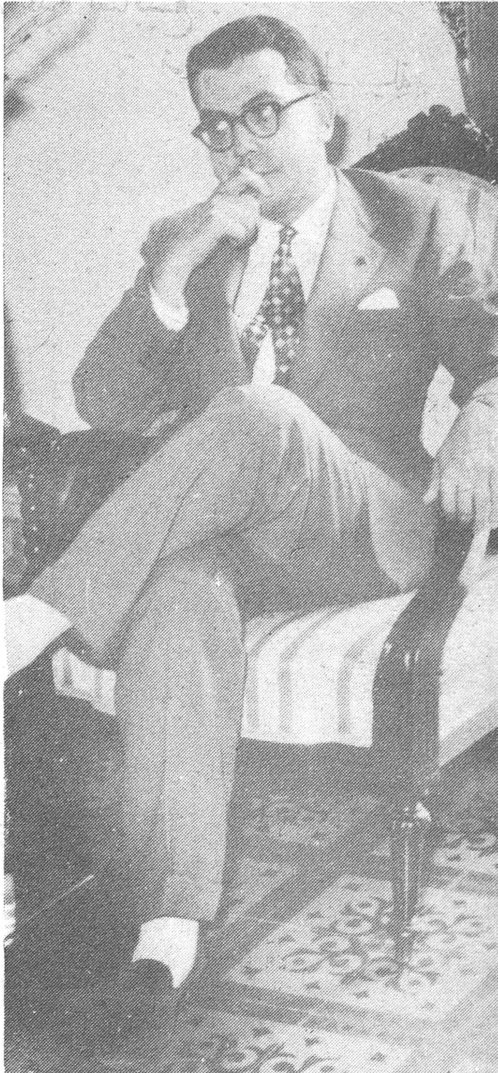
Mr. Paul Khallat says:
“In my opinion there is exaggeration in the fear of this economic crisis...”
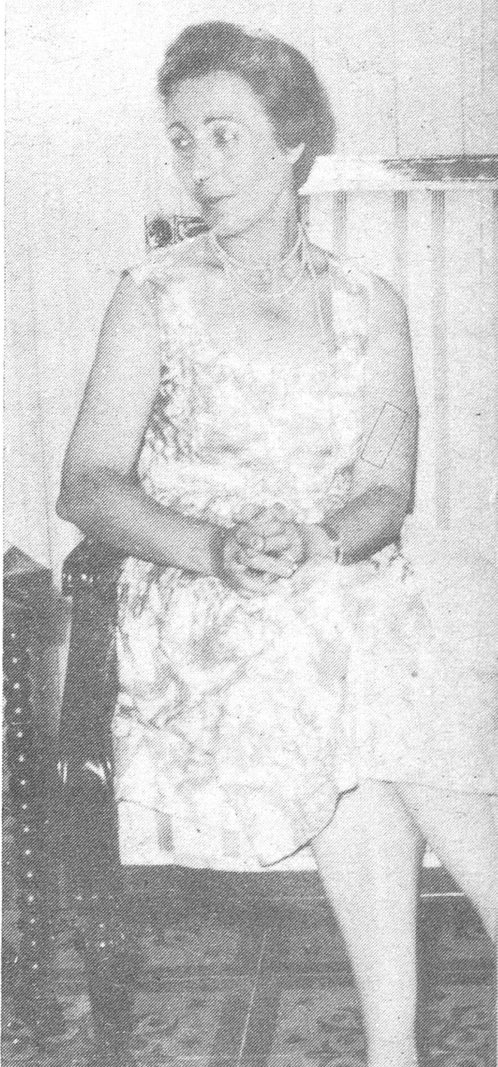
Samia Abou al-Jbein says:
“What has woman done now, in the tumult of the disturbances?...”
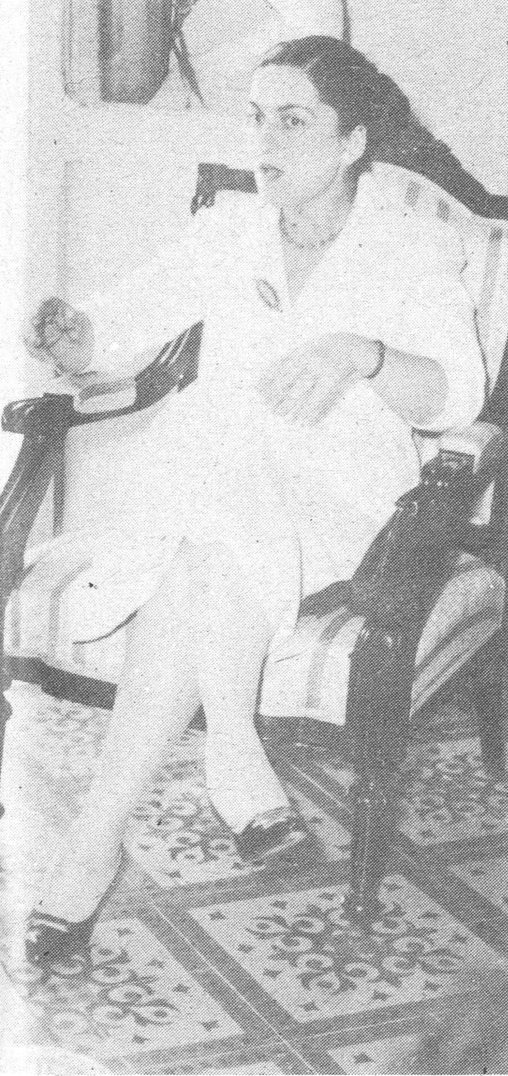
Anissa Najjar says:
“The Village Welfare Society will work to make use of our local agricultural products...”